
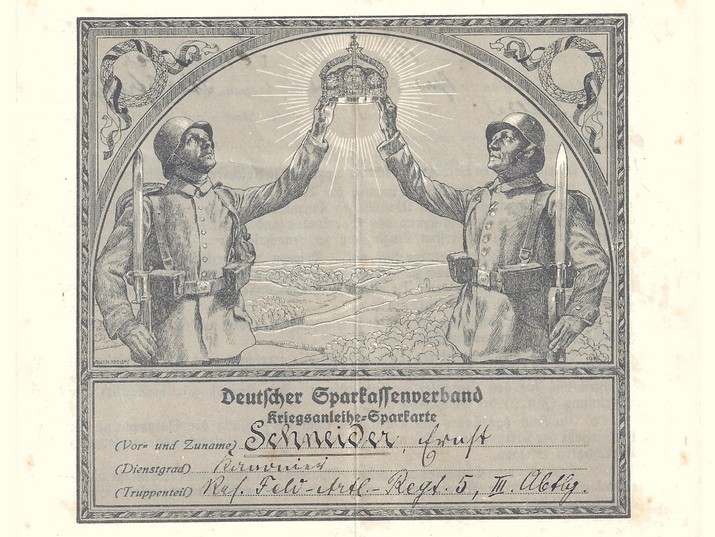
Almost all of the large countries involved in the war appealed to their citizens to help achieve victory by donating their private money through the purchase of the bonds.
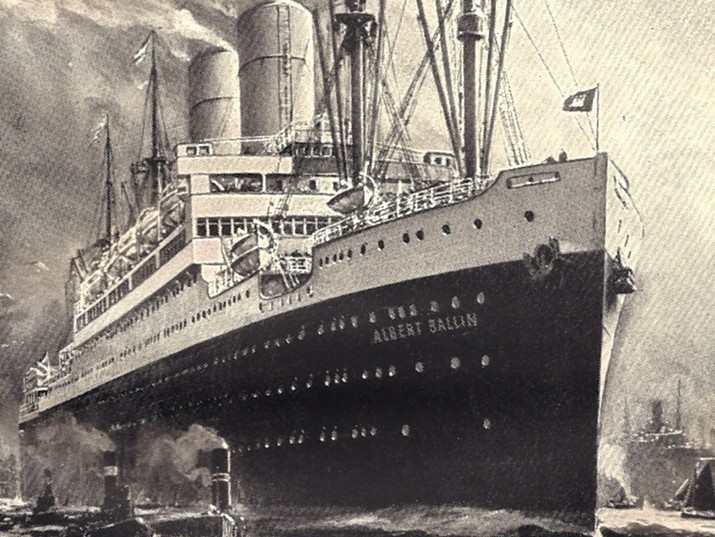
Albert Ballin, the HAPAG Shipping Company, and the Immigrants to America
In 1886, a young man named Albert Ballin (1857-1918) of Jewish origins joined the company. Ballin had inherited from his father an emigration agency that operated in Hamburg. The agency helped European emigrants obtain tickets for sailing from the various European ports to America.

The First Person to Photograph the Land of Israel from the Air
Fritz Groll was a German officer sent to Ottoman Palestine at the height of World War I in order to assist Ottoman forces. Along the way, he photographed the country’s landscapes, cities and sites, from the ground and the air
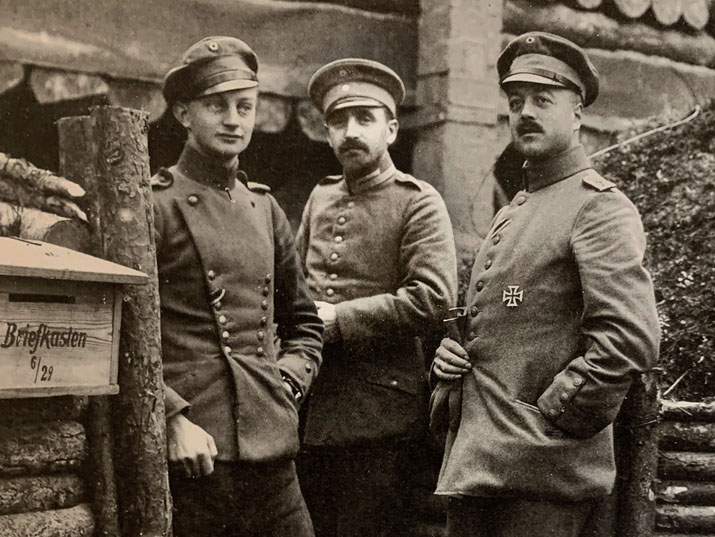
Scenes from the Battlefield: A Jewish Artist’s Memories of WWI
Hermann Struck volunteered to serve his German homeland during WWI. He returned from the front with 400 sketches and prints which offered a glimpse of the atrocities of war, of its hostages, and of the lives of Eastern Europe’s Jews
Weimar Republic
Despite all of the difficulties faced by young democratic Germany, its parliamentary method was quite well-developed
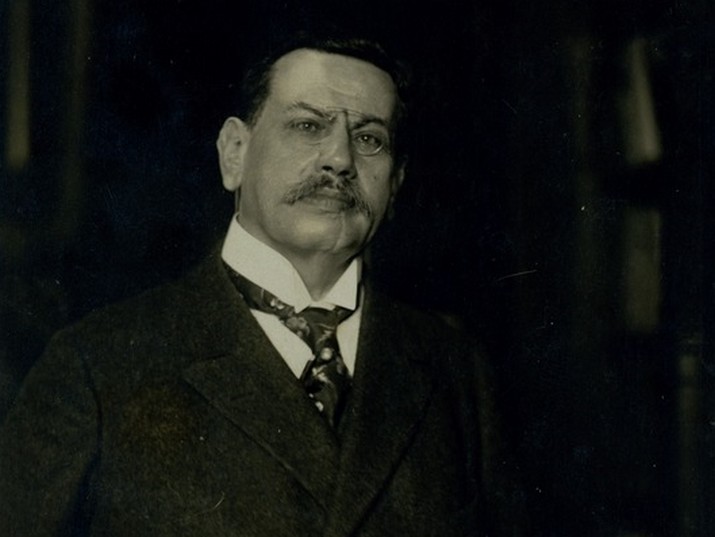
The Weimar Constitution and its “Father” Hugo Preuss
Jewish lawyer Hugo Preuss’ contribution was so great that today he is considered the “father” of the constitution of the Weimar Republic
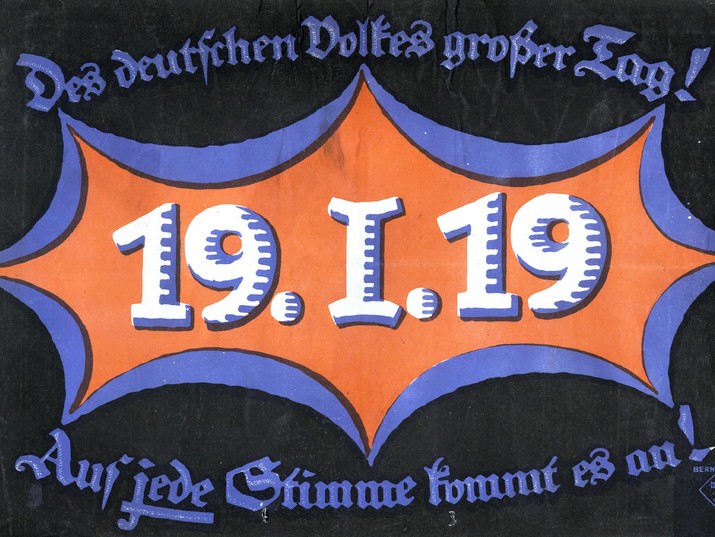
Elections Placard for the German National Assembly, 1919
The placard states that this day was “the great day of the German people” and emphasizes that “every vote counts.”

The Journal “Rimon” – “Milgroim”
The first Jewish journal devoted to art
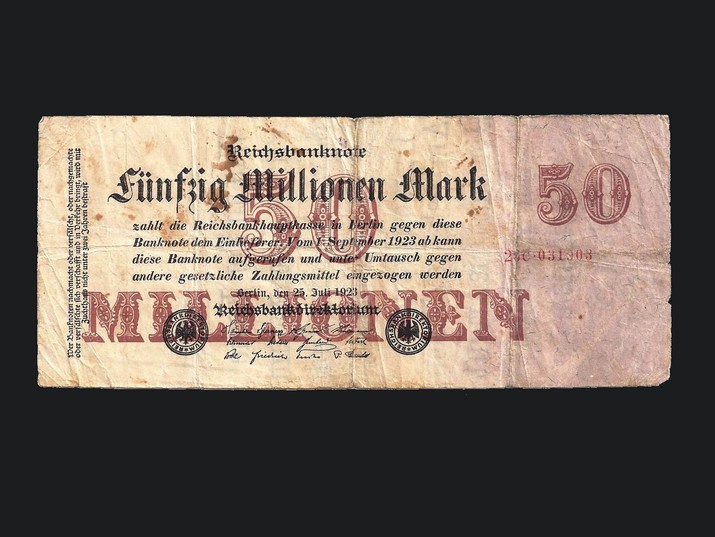
German Inflation 1919-1923
Prices rose to absurd sums: at the end of the period of hyper-inflation, in the fall of 1923, a loaf of bread cost many billions and to send a single postcard from Munich to Prague required stamps worth 36 billion marks

Architecture in the “International Style” (Bauhaus) in Eretz Israel
When architect Walter Gropius established in 1919 the Bauhaus art school in the city of Weimar, Germany, he had, it can be assumed, grand plans, but no way of predicting that the tradition born with the establishment of this school would change the face of the world of architecture and in the design of many useful products.