
Some of us find it hard to believe that in Talmudic times women and men prayed together in the synagogue. When did a separate gallery for women become mandatory in Orthodox synagogues, and how did the separation of men and women in the prayer service come about?


Maya the Bee in the Service of Germany’s Soldiers
The beloved children’s book about the brave little bee who saves her beehive became one of the most popular books among German soldiers during the First World War. What led them to carry this book about the adventures of a small bee with them onto the battlefield? Does it contain hints of the devious ideology that would cause global devastation only a few decades later?
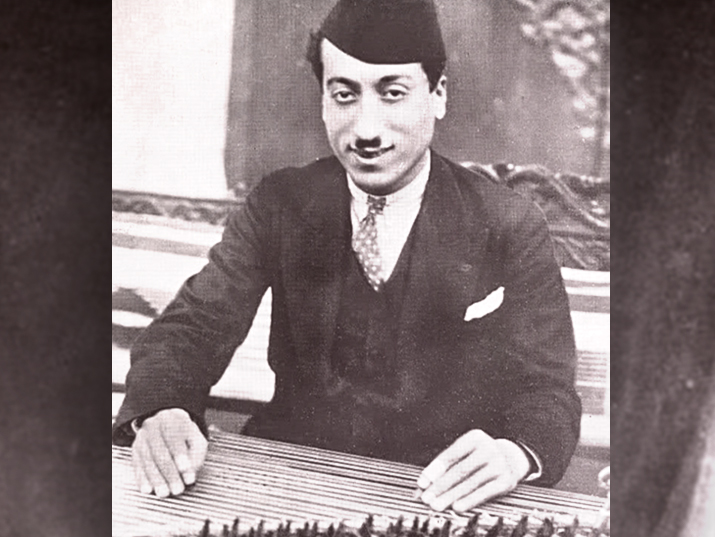
An Inimitable Talent: The Qanun Player Yusuf Za’arur
Yusuf Za’arur was a talented musician and expert qanun player who served for many years as the musical director of the Radio Baghdad Orchestra. When he immigrated to Israel, he had to fight for recognition, but his great talent led him to renewed success in Israel as well

How a Diamond From the UK’s Imperial State Crown Ended Up in an Israeli Engagement Ring
Set in the center of the Imperial State Crown of the United Kingdom is an enormous diamond. A part of the original stone is in the possession of an Israeli family. How did this happen?
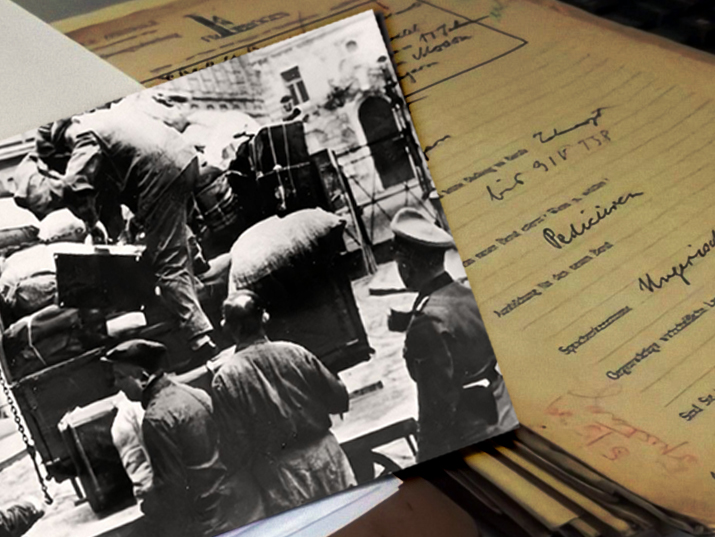
Revealed: Immigration Documents Filled Out by Austrian Jews During the Nazi Occupation
A trove of documents from Vienna’s Jewish community during the Anschluss period has been revealed to the public for the first time thanks to a collaboration between MyHeritage and the Central Archives for the History of the Jewish People at the National Library of Israel. The collection contains 228,250 records, including scanned original documents submitted by Jews hoping to emigrate from Vienna. These documents, available on the Library’s website, provide extraordinary insights into the life of Vienna’s thriving Jewish community in the years 1938–1939

“Vienna of the Sewers”: A School for Dictators
In 1907 a young man from a small provincial town in Austria arrived in Vienna, the European art capitol of the era, with hopes of enrolling in the art academy. His rejection led him to roam the streets of “the other Vienna,” which many historians viewed to be a “school for the future dictator.”
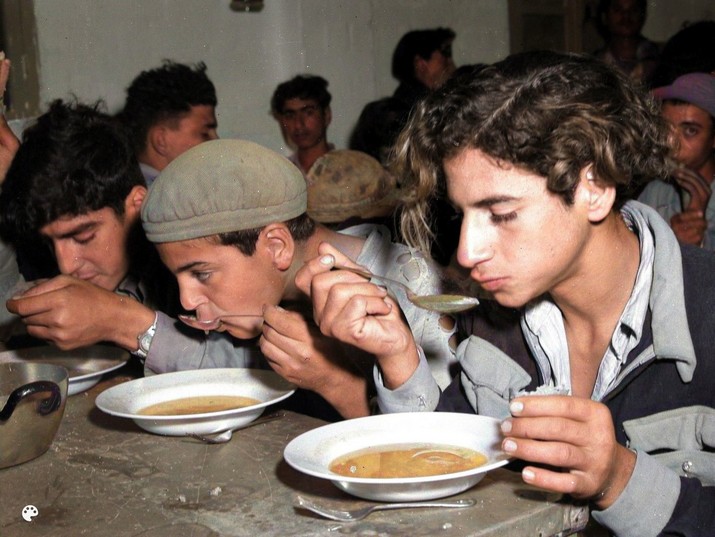
The Happy Mistake That Gave Us the “Soup Almond”
How did a bureaucratic mix-up during Israel’s 1950s austerity period lead to one of Israel’s most unique culinary innovations? How did an Ashkenazi Jewish Passover recipe end up on the holiday table of every Jewish Israeli, and where does the distinctive yellow color of the soup almond come from? In short, here is the story of Israel’s prized “shkedei marak”
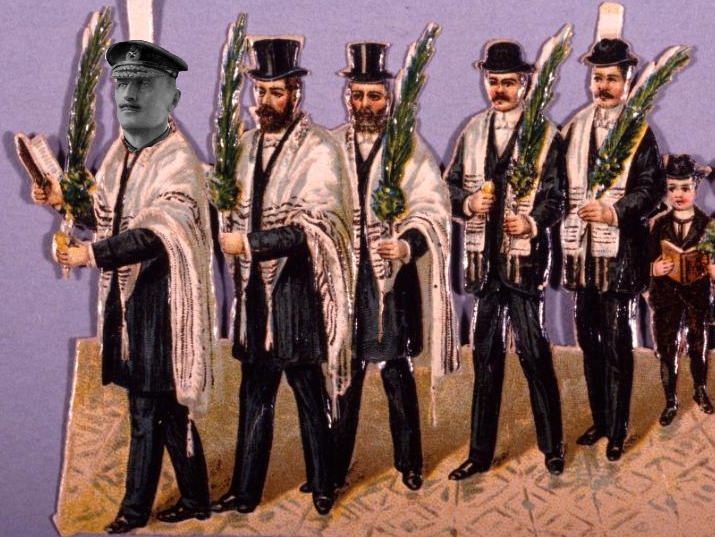
When General Allenby Saved Sukkot
In the midst of World War I, two old Jews, Chaim Weizmann and General Edmund Allenby teamed up to ensure that the holiday could be celebrated properly…