

The treasures of the PhotoHouse were saved by sheer luck. The missile that destroyed the historic storefront on Tel Aviv’s Allenby Street landed in the early morning, when the shop was empty. It happened on Monday, June 16, 2025. Mai Masarwa, the shop’s manager, shared that she was horrified when she arrived to find the store shattered and in ruins. By chance, the store and the priceless archive it houses, containing tens of thousands of negatives capturing rare images from Israel’s early years, did not catch fire. Mai estimated that the missile fell just 50 meters from the shop.
But the beloved establishment didn’t remain in ruins for long. Friends and relatives nearby helped assess the extensive damage and begin clearing the chaos inside. A civilian command center set up by the Tel Aviv municipality quickly dispatched volunteers eager to lend a hand. Equipped with gloves, they arrived and began removing debris and shards of glass scattered everywhere. To Mai’s great relief, she discovered that the true treasures had survived unscathed.
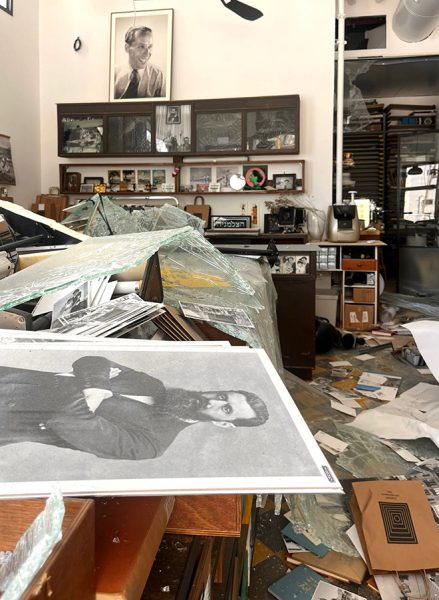
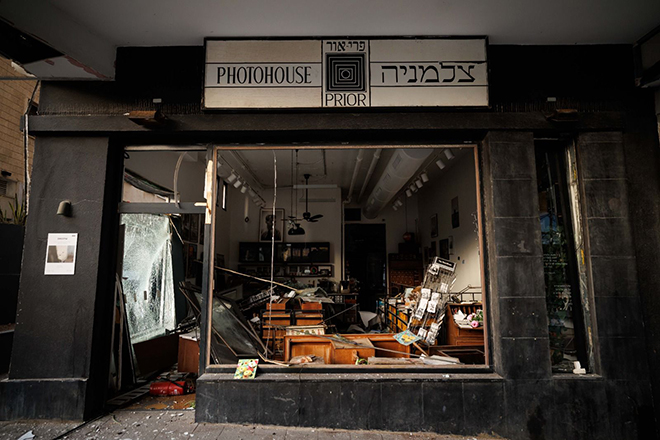
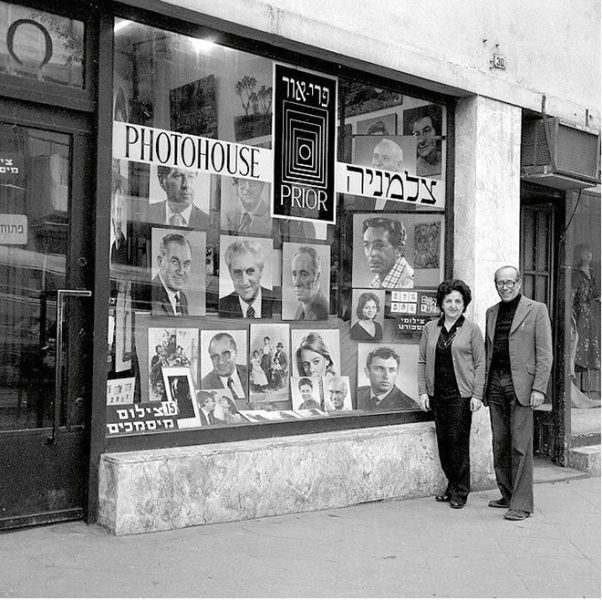
The PhotoHouse, also known as “Pri-Or,” is a cultural gem that has stood in the same location since the British Mandate era. This is the legendary shop of photographer Rudi Weissenstein, home to his vast archive of hundreds of thousands of historical photos. Although the building underwent renovations, completed just two years ago, its original location has been preserved. The PhotoHouse is a treasure trove of Israeli history, especially from the time of the state’s founding and its first few decades. Several years ago, the National Library of Israel began digitizing Weissenstein’s work, and today tens of thousands of photos from his extensive, rare collection are preserved at the Library and accessible to all.
In recent years, the PhotoHouse has become not only a destination for photography enthusiasts and lovers of paper products who want to bring a touch of Rudi’s unique perspective into their homes, but also a cultural hub, hosting lectures, workshops, events, and exhibitions by Israeli artists. Today, Rudi’s grandson, Ben Peter Dagan, leads the PhotoHouse’s activities. Mau has managed the shop for the past seven years, and it feels like a second home to her.
***
Rudi (Rudolf) Weissenstein was born in Czechoslovakia in 1910. At the age of eight, he received a camera from his father, an amateur photographer, and from that point on he never parted with it. He studied graphic design and photography at Vienna’s Higher Federal Institution for Graphic Education and Research, along with humanities courses. When Rudi began his career as a photojournalist for the Czech Foreign Ministry magazine in Prague, he quickly understood the value of a negatives archive and the importance of preserving and documenting it. This principle guided him throughout his career, much to our benefit. One of the greatest strengths of the collection Rudi left behind is its meticulously organized archive, with detailed records of when each photo was taken and who and what appears in it, making it easy to navigate and search.
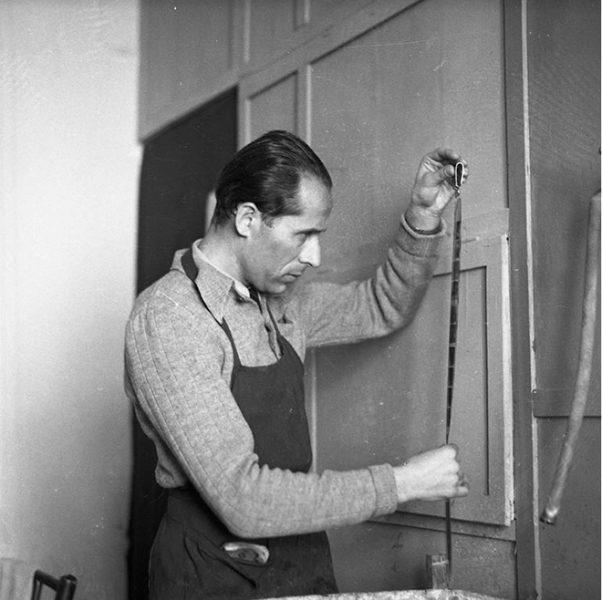
A Zionist upbringing at home, combined with a number of antisemitic incidents, led Weissenstein to immigrate to Israel in 1935. It was then that he met his wife, Miriam, who became his partner in life and in the photography business he established. Over the next 45 years as an Israeli photographer, Weissenstein seemed to visit every corner of the young country, documenting its growth through both historic events and everyday moments. His work journals, kept with his photo collection, testify to his tireless dedication and consistent activity from the 1930s through the 1970s.
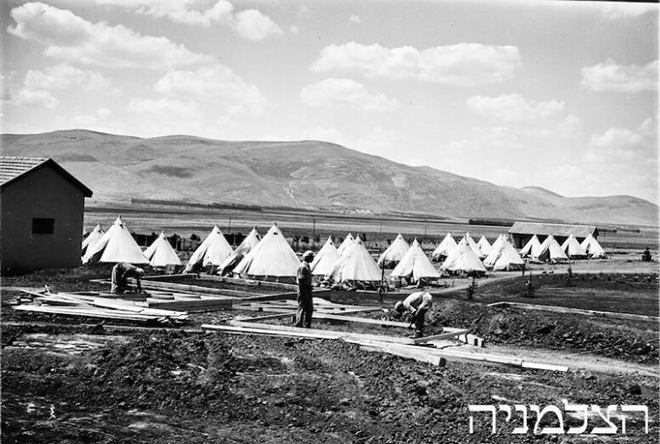
Weissenstein’s sharp and compassionate eye for the people of his time shines through his many photographs. His connection with the builders of the new nation, from every community and background, and his respect for the country’s Arab residents, are evident throughout his work. He documented not only Tel Aviv, where he lived, but also the development of communities across the country, capturing the daily struggles during the years of austerity with striking honesty. He worked for the British Mandate authorities and later for various institutions in the new state. His love for and appreciation of Israel’s diverse society can be seen in every frame he captured. Even after Rudi’s death in 1992, and Miriam’s passing in 2011, the PhotoHouse has continued to thrive as a vibrant business, preserving and celebrating this rich family and historical archive.
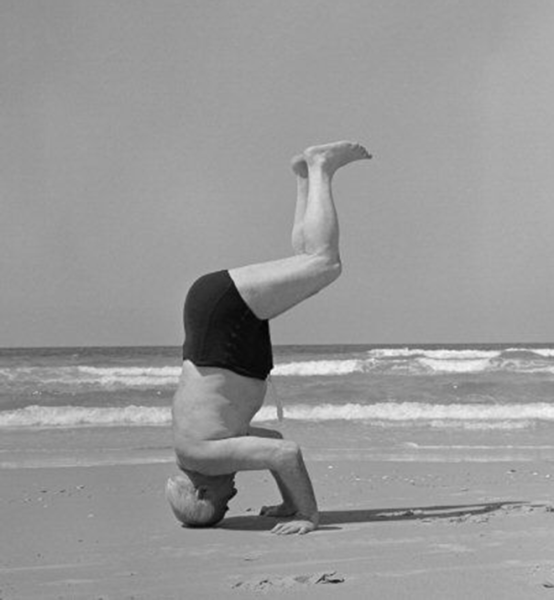
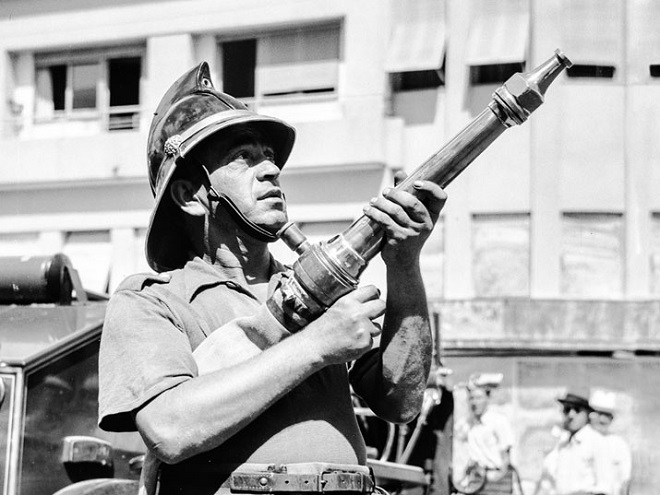
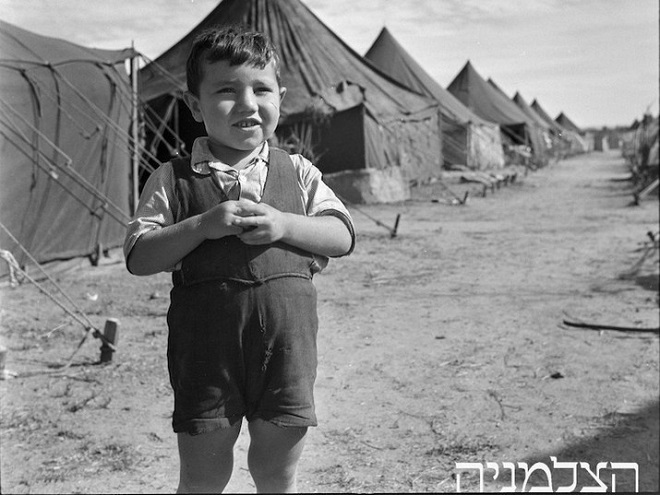
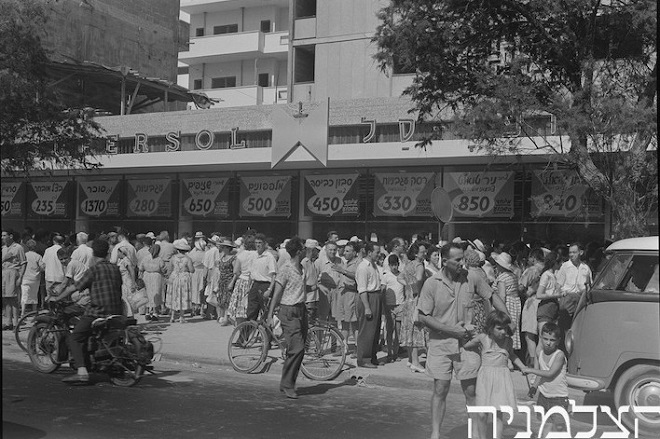
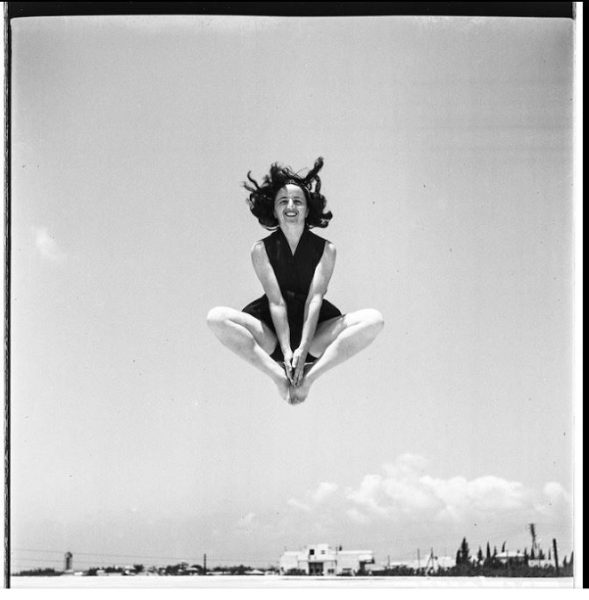
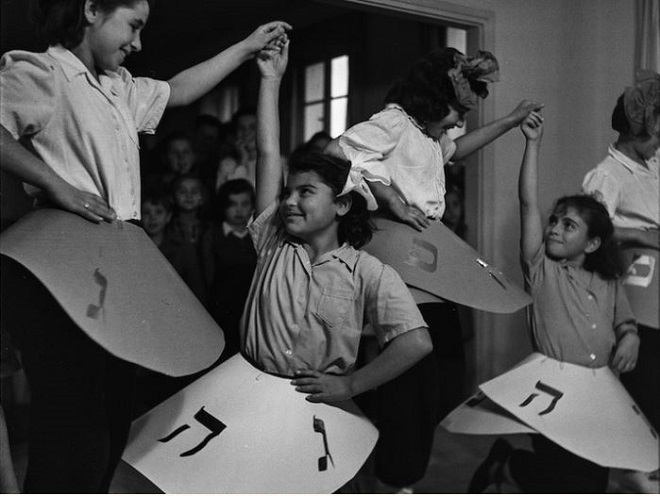
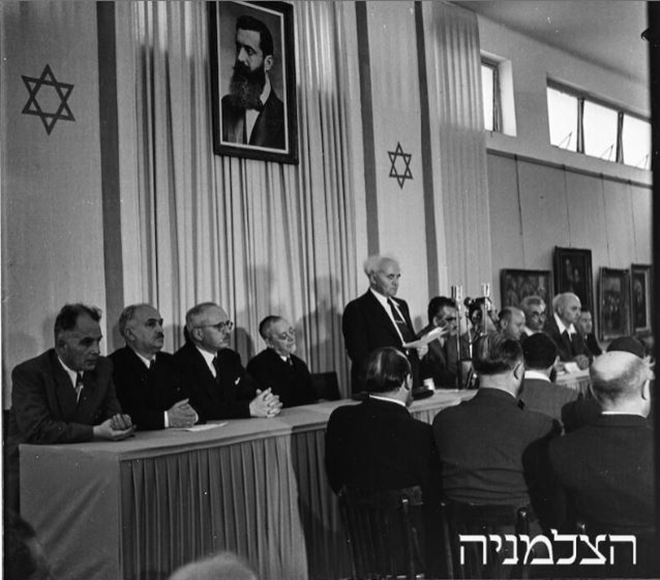
Weissenstein photographed the moments we all want to remember, from the declaration of Israel’s independence and the establishment of kibbutzim, cities and towns, to the founding of important projects in Zionist history. His photographs are exceptional in capturing the full sweep of Israel as a young state. He managed to document not only striking portraits of national leaders, but also ordinary people, from dockworkers and farmers to children playing on the beach.
***
For more information about the PhotoHouse, click here. Product orders and donations will help support its speedy restoration.