
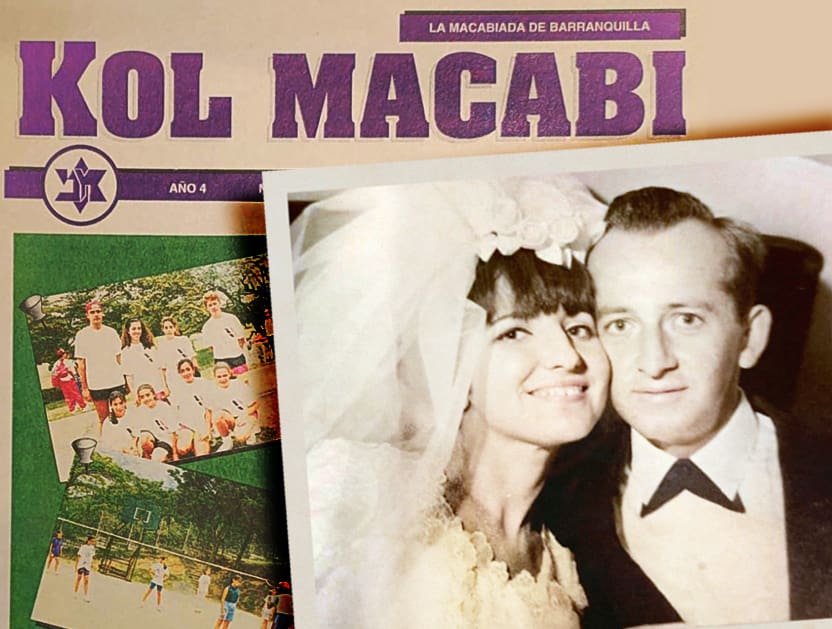
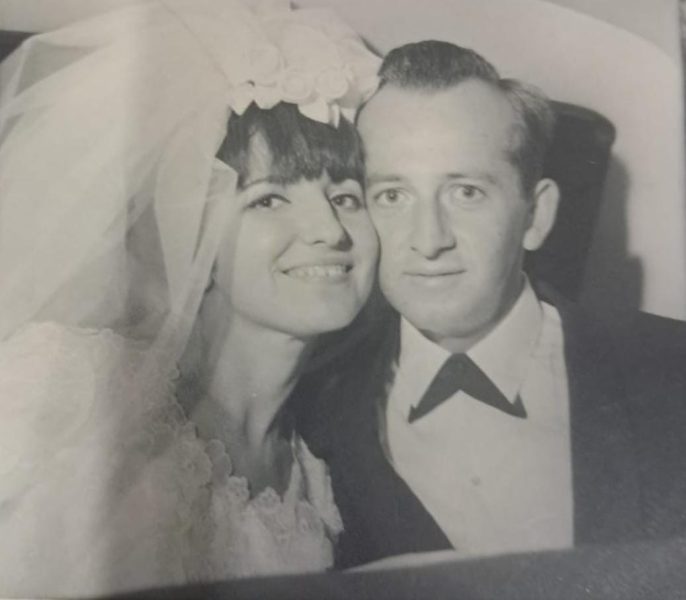
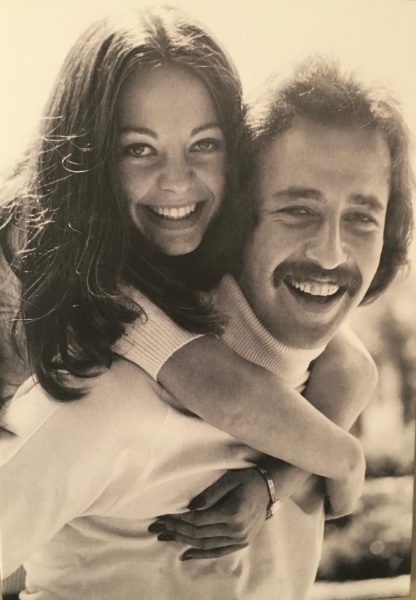
Raquel and Isaac met in 1967. He was from Bogota, the capital of Colombia, and she was from Barranquilla, a smaller coastal city with a Jewish community of approximately 350 people. Barranquilleros (as they are known), are very happy people. They love to dance and smile, and their positive energy is extremely contagious. The couple met through a mutual friend and after a few months decided to get married in April 1968, in Barranquilla.
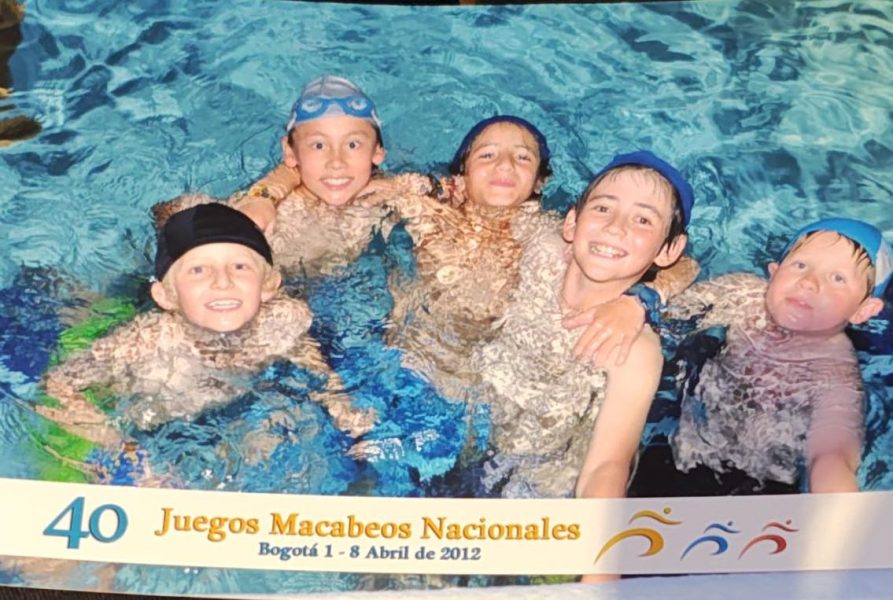
It just so happened that the National Macabi Games (Macabi is spelled with a single “c” in Colombia) were to be held there at the same time, and so, there was no question: All the athletes were to partake of the wedding celebrations, and what a celebration it was. It is therefore hardly a surprise that almost fifty years later, Raquel and Isaac’s children and grandchildren are today not only active participants but also leaders within the Macabi movement.
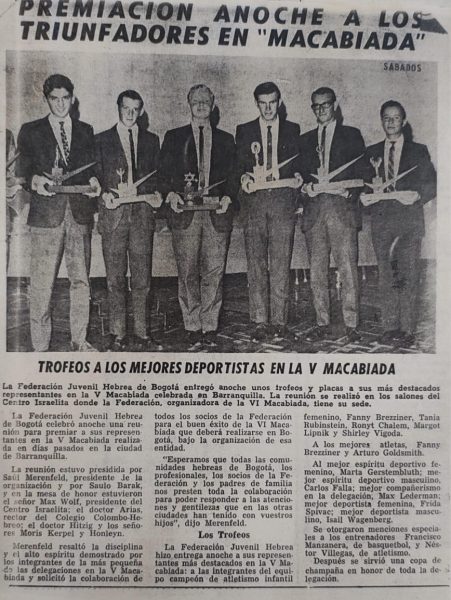
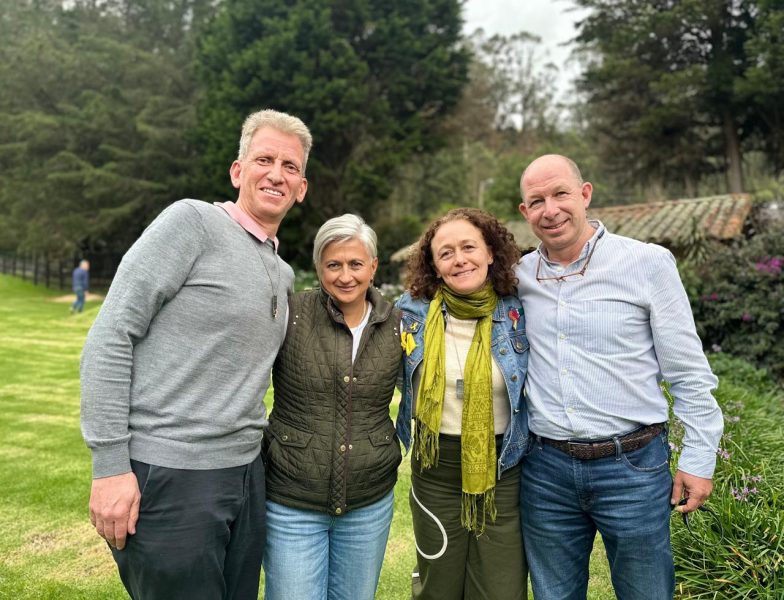
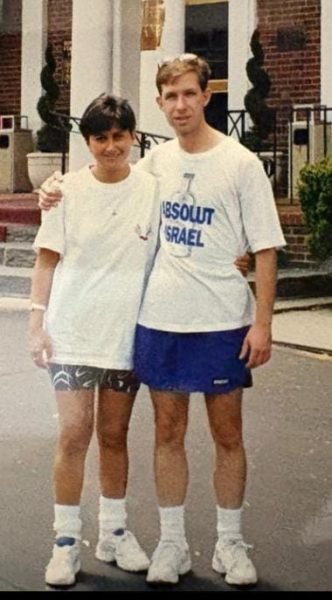
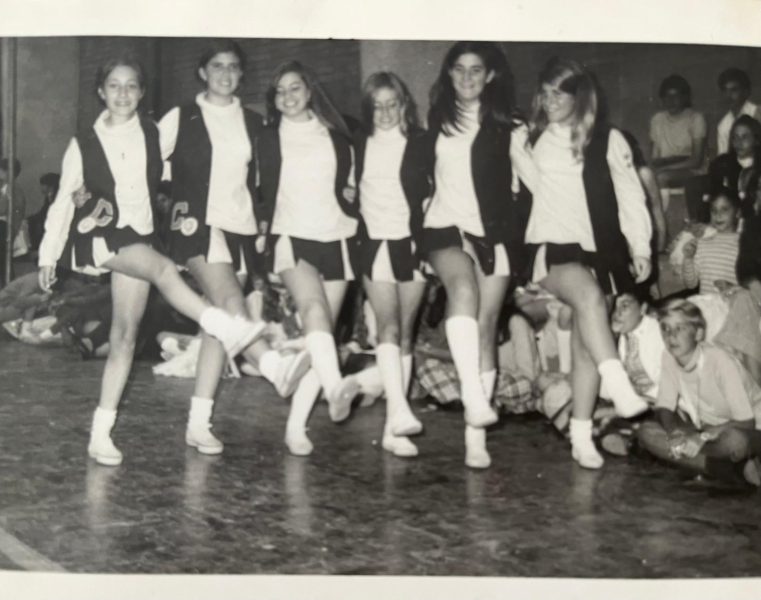
Micky and Raquel (another Raquel) took part in those games and remember the wedding celebration. She was a cheerleader, he an athlete, both active Macabi leaders. He saw her on stage, and she had set her eyes on him as well, though he was older (she was 15 and he was 18). They married in 1973 and are still going strong.
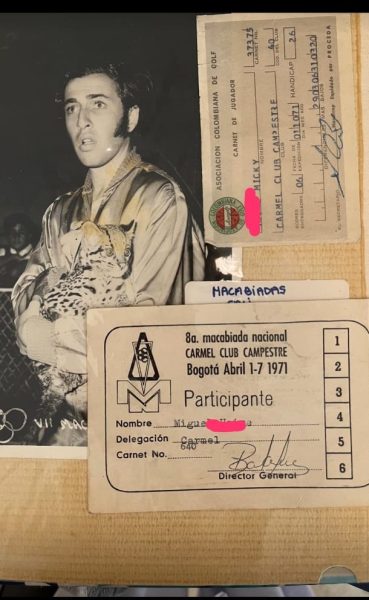
Back then not only were you expected to participate in two, three or seven different sports competitions, you were also expected to help organize, plan, and execute, even if that meant carrying a real baby tiger at the inauguration (as shown in the above picture, right before the tiger got spooked by the loud noises made by the marching band).
But to really grasp what Macabi Colombia does for and means to our small Jewish community, we must step back and take a look at the big picture. Maccabi World Union brings together over 450,000 Jewish people from around the globe, through sporting events like the World Maccabi Games held every four years (think of it as the Jewish Olympics), regional tournaments and informal Jewish education through their Yachad and Maccabi Tzair programs.
Jewish athletes all over the world train all year round, to be good enough to make the cut in their home countries and reach the big stage every four years. In that respect, Macabi Colombia follows those same guidelines: informal educational programs, training all year round (at a much smaller scale), and hosting and participating in local and regional tournaments. So, what’s the difference? For one thing, we don’t have the luxury of picking the very best athletes, we just don’t have that many, and everybody is welcome to participate.
For Macabi Colombia, everything we do is a matter of survival: By promoting informal Jewish, Zionist and leadership education we help the community mold and shape stronger leaders, who will one day take the community to the next level. All these activities have a reason for being – they unite our youth and allow them be a part of something bigger, but they also allow them to dream of taking part in a World Maccabiah, of competing in a stadium packed with 10,000 athletes singing Hatikvah. And why not? Macabi Colombia encourages our community members to dream of winning the gold!
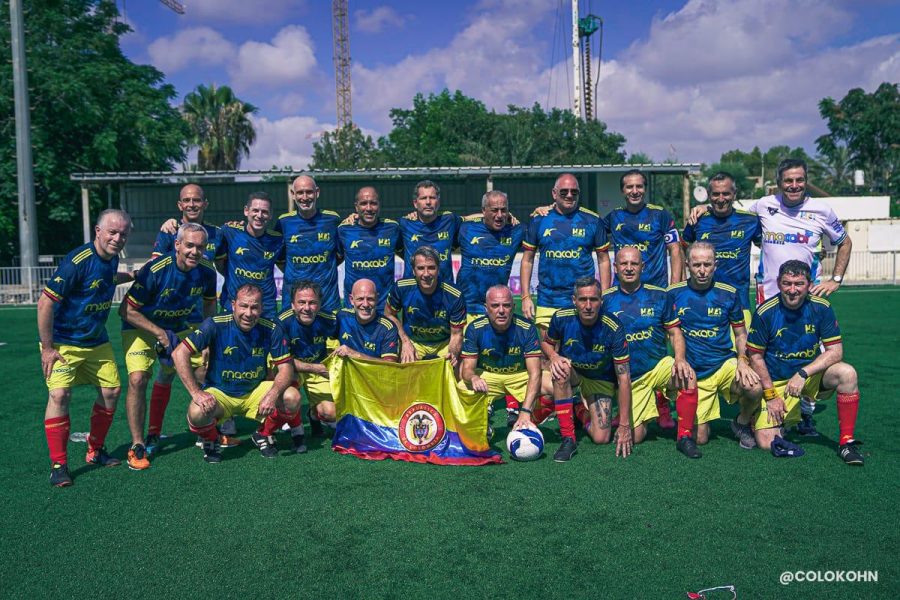
In 2022, that dream became a reality when the men’s 55+ soccer team (or Colpibes as they were called) won the gold medal at the World Maccabiah.
Considering how important Macabi is to a small community like ours, it’s no wonder that Marlene gets a bit wistful while recalling experiences from more than twenty years at the helm of the Macabi newspaper. She and her staff were responsible for collecting vital community information on a daily basis while games were being held. Kol Macabi, Noti Macabeadas, El Bolet In, Macaflash, La Nota Macabea, El Maca beo, the paper had different names over the years, but Marlene was always in charge.
Every day her staff would walk around the different venues and events and find out who started dating whom and which new friendships were being formed. She would take pictures of people holding hands and teams celebrating after victories. She would go to the nightly gatherings and hotspots and see all the athletes mingling, socializing and celebrating life. She would then print out the newspaper, which would always be published around 5 pm. Kids would wait outside her office to get their hands on the paper, hot off the press. Around that time of day, Marlene was the most popular person in town. She vividly recalls the kids’ faces lighting up when they saw themselves in the newspaper!
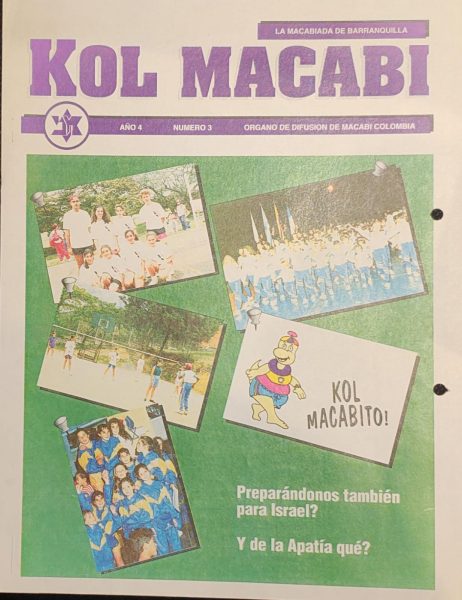
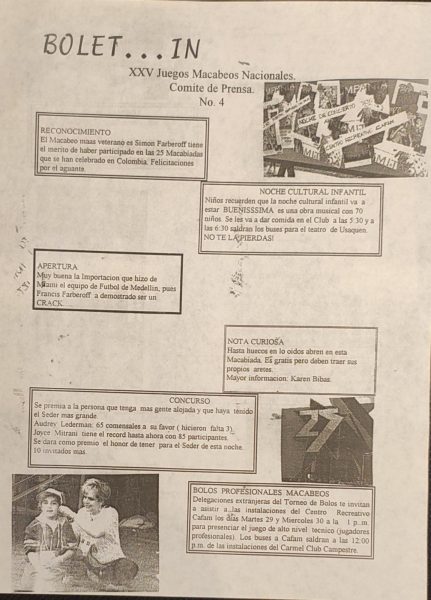
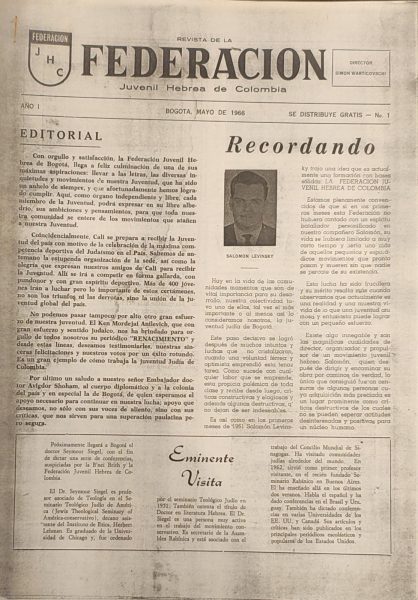
Macabi Colombia’s newspapers over the years, AJC Archive
Here is one more life changing story: In Colombia, because we are such a tight-knit and united community, all kids under the age of 16 who have come from out of town stay with local families while participating in the games. The organizing committee gets a list of the kids making the trip, and pairs them up with families whose kids are similar in age, so they can get to know each other and become friends. After a few years many of them request ahead of time to stay at a specific home where they had previously stayed.
That was the case with Nathan who, one year, was put up at the Schuster family home, with two kids of the same age. Nathan became very close not only with Ethan and Elliot, but with their friends as well, and in return, the local kids met Nathan’s friends who also came for the games. From there, it snowballed. Almost ten years later, their friendship is as strong as ever extending beyond the annual games. Judith, Elah and Yael also met this way. And now, as they all go off to college, they try and see each other on summer breaks.
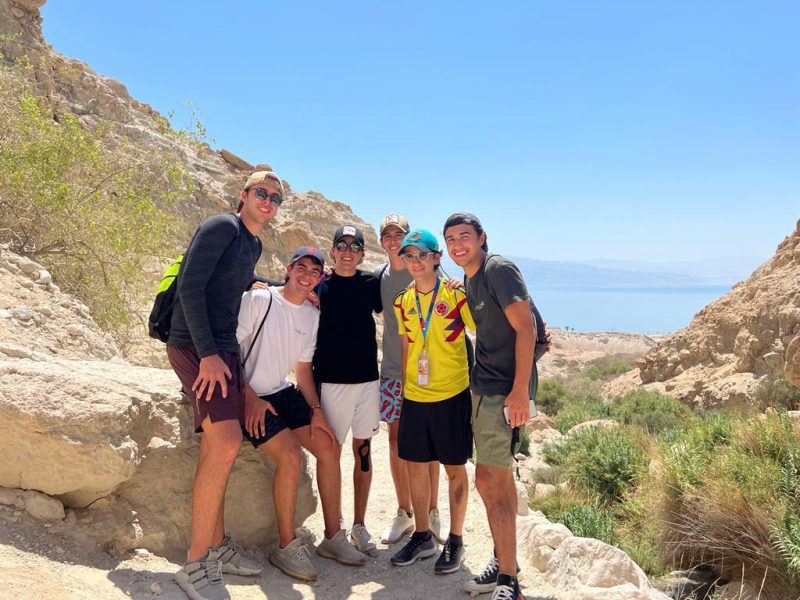
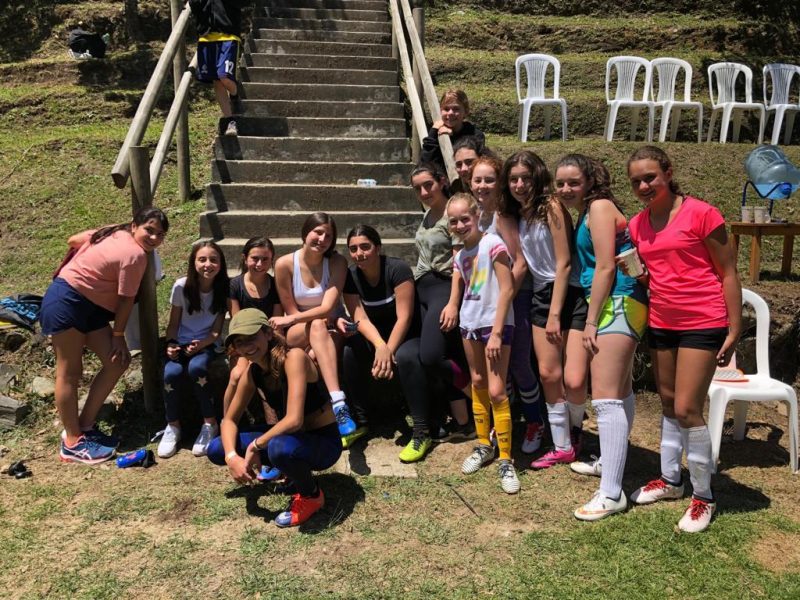
These are just a handful of hundreds of stories that can be told: Raquel and Isaac, Isail and Camila, Mendy and Helga, Salo and Dorita, Sammy and Sally; all these relationships and friendships began with the games, and as we say on Pesach, Dayeinu! If this was all Macabi did for our community, it would be enough. Incredibly, there is still more.
The behind-the-scenes operation at the Macabi games is a massive one. The organizing committee is made up of hundreds of people who handle programming, social events, food, fundraising, room and board, religious affairs, transportation, IDs, communications, awards, cultural events, activities for children under 9, logistics, equipment, and so on. But why is it so important? What’s the big deal about celebrating the Macabi Games in a small country like ours? Because they get EVERYONE involved, even people that are not very active in the community – people who are normally pre-occupied or just shy, everyone, and I mean everyone, makes their way to the games and helps out.
Those who know about food, help plan the menus; the ones who own restaurants provide treats, those who have social skills pair up the kids in the room and board committee; those who are good with computers take care of the programming; some come out and help at the information booth, or become greeters at the airports and hotels; others host kids in their homes, and some become sponsors to make it all possible, and the list goes on and on.
Colombia’s National Macabi Games bring the entire Jewish community together, and nobody wants to be left out. As soon as one Macabeada is over, the team gets started on the next games, and a year of planning culminates in a crazy 24/7 nonstop week prior to the event. Of course, during Macabi week, most of us never get a wink of sleep; and we do it again and again and again!
The games always end with the closing ceremony and awards gala, and the singing of the famous song No Se Apagara La Llama (“The flame will never burn out”), where we all come together with our old and new friends, with our teammates, with our host families, often with tears in our eyes. The tears are tears of joy, part of a celebration for a job well done, for new friends, and new couples, tears of nostalgia and longing, marking the conclusion of another great event.
We’ve had our share of ups and downs, there were years when we would have 2000 participants, and others with 200; sometimes there were security and safety issues that made it challenging, and other years when things were so good that athletes came from all over the world. Who can forget that one year when we lost one of our great leaders right in the middle of a soccer match? Another year we were forced to cancel just one week prior, and it took incredible leadership to be able to stop, think, and do what was in the people’s best interest. I can’t leave out the time when we faced the prospect of a week without any water, due to a city shortage. It would have been challenging (to say the least) to hold the games under those circumstances; but somehow we got lucky and came through. Sports are just an excuse for our small community to get together and celebrate. More than sixty years after the first Macabi games were held in Colombia, we are still at it.
As part of a larger worldwide initiative, and under the leadership of the Central Archives for the History of the Jewish People (CAHJP) and the National Library of Israel (NLI), Colombia’s Jewish Genealogical Society began working with local Jewish institutions to help them preserve and digitize their history; Macabi Colombia was one of the first to jump on the wagon right away.
The first step was to get an inventory of the material at hand and determine its actual physical condition. A few video calls between Israel and Colombia were needed to get an accurate assessment of the material. The CAHJP and the NLI were key in training our local volunteers and instructing them on how to get this done in a very meticulous manner to ensure accuracy and consistency. Virtual encounters were required for training, follow-up, and Q&A. Although most of the training was applicable to all institutions, each one of them had its particularities, and Macabi was no different.
The close guidance of the CAHJP and NLI experts was key to a successful outcome of this long and critical process: We learned how to clean up the documents and how to organize them, we learned how to describe the material and document it properly, so once it is up on the NLI’s digital platforms, it can be easily retrieved, and we also learned the importance of doing it right and preserving our community history. We removed thousands of oxidized staples, old tape, metal clips and ensured that those old newspaper clippings from the 1960s were well kept.
As a result of this arduous work, and after seeing what it entailed, Macabi Colombia decided that the best place to preserve their history was with Colombia’s Jewish Archive and Colombia’s Jewish Genealogical Society (SGJC). The holdings were digitized by the CAHJP, and will be available soon on the National Library of Israel website. The outcome was over forty thousand folios of history, now properly preserved and secured both physically and digitally.
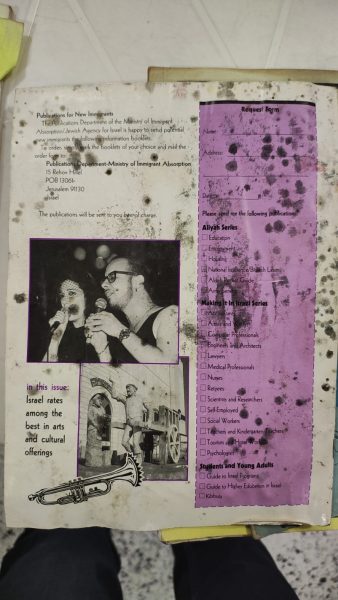
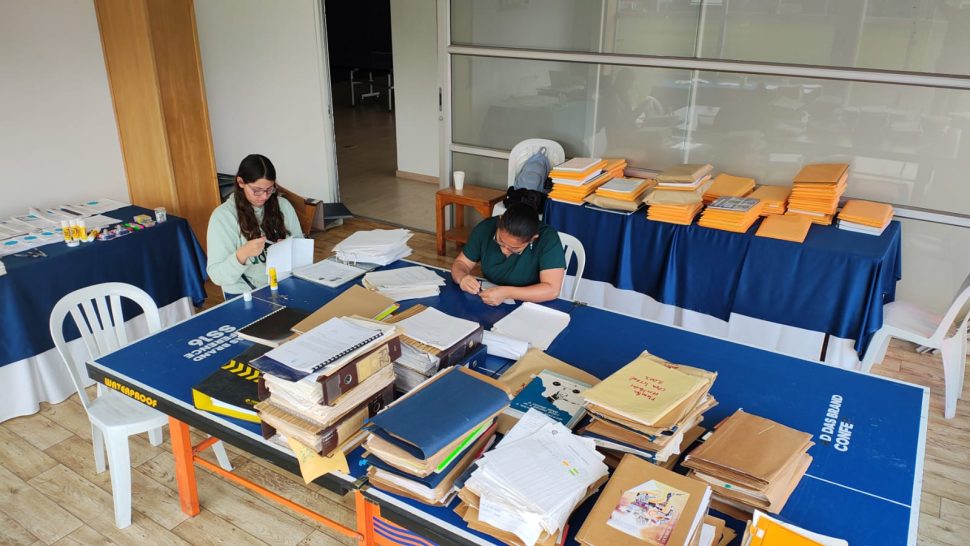
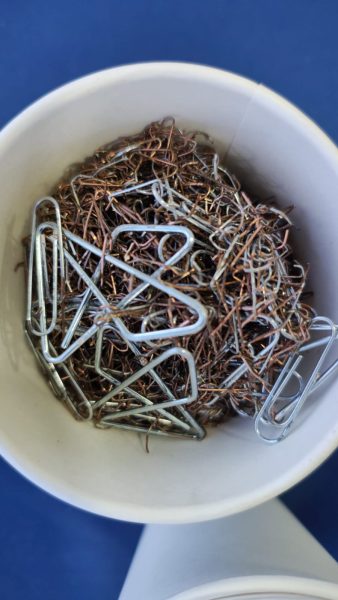
Colombia’s Jewish Archive (AJC): volunteers hard at work removing external elements that were damaging the documents. Bogota, May 2025
The task took a bit longer than expected. For those of us involved, it was impossible to do it mechanically: This was very personal, this is our history. Remember that Macabi Colombia has been a part of all of our lives, a happy part of our lives. Every newspaper, every picture, every registration card, and even the menus back when meat and dairy were a part of our daily diet (not any more of course), every bit of history, made us stop and reminisce. Every bit of history made us stop and remember how lucky we are to be a part of this incredible movement. Every bit of history made us honor and remember those who are no longer with us. And of course, THE SONG!
No se apagara la llama, no se apagara el amor
No se apagaran las ganas de volvernos a encontrar
El espíritu macabeo es unir… Dejar un huella y sembrar
No se apagara la llama, Jamas!
***
The flame will never burn out, our love will never burn out
Our desire to meet again will never extinguish
The spirit of the Macabeada is to unite, leave a footprint and plant seeds
The flame will never burn out, NEVER!