

Just after midnight on Monday, October 2, 2023, Jawad Amer returned to his family’s home in the Galilee village of Hurfeish. The 23-year-old was exhausted after a long flight back from a three-week trip to the western United States. He kissed his mother Rashida and his older brother Nabih goodnight and went to bed. A sergeant-major, Amer would be heading back to his army base nearby the next morning for his last week of service before being discharged, so he said he’d catch up with them, his sister and another brother the following Monday and fill them in on Las Vegas, San Francisco and the other marvelous places he’d visited.
When he awoke, he went with his father Akram to a medical appointment and for breakfast. They then drove to his base. Akram kissed his son goodbye at about 10:00 a.m.
The Amers never saw Jawad again.

War broke out on the Shabbat of October 7 when Hamas invaded Israel’s western Negev from the Gaza Strip, and Jawad was told he’d be kept on duty another month. On Sunday, the Lebanese terrorist group Hezbollah opened another war front by launching missiles at Israel’s north. On Monday the 9th, the day the family planned to gather to hear all about his vacation, Jawad Amer was killed by a Hezbollah bullet along the border with Lebanon.
He was the first Druze soldier killed in the ongoing, nearly two-year war. As of August 19, 14 Druze Israelis have fallen in battle since October 7, 2023 — 451 since the first, in 1937. And 12 Druze children were killed on July 27, 2024, by a Hezbollah-launched missile that struck a soccer field in the Druze town of Majdal Shams (population 12,000) in the Golan Heights.
Druze Israelis are among the country’s most loyal and accomplished citizens. They’ve been drafted into the Israel Defense Forces since 1956, when Druze leaders persuaded Prime Minister David Ben-Gurion that their military duty should be compulsory, not voluntary.
The Druze are an ethnicity and also a religion that branched off from Islam more than a millennium ago. Even its adherents state that the group’s religious precepts are esoteric and secretive.

Approximately 150,000 Druze live in Israel, constituting 1.5 percent of the population. A million or so Druze live in Syria, Lebanon and Jordan, with another 2,000 residing in the United States and England.
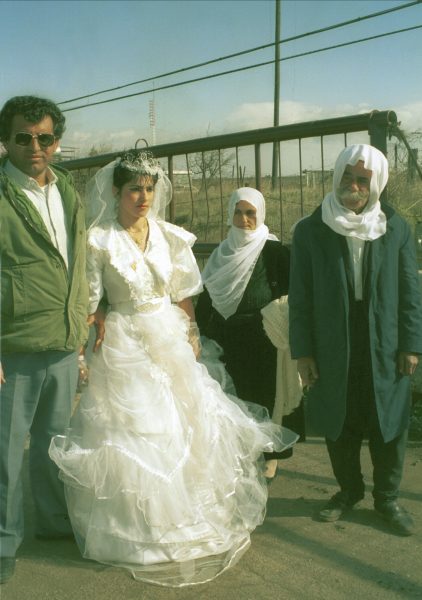
They tend to marry other Druze, and few leave the faith or intermarry. Most in Israel reside in predominantly Druze villages in the Galilee, the Mount Carmel region and the Golan Heights.
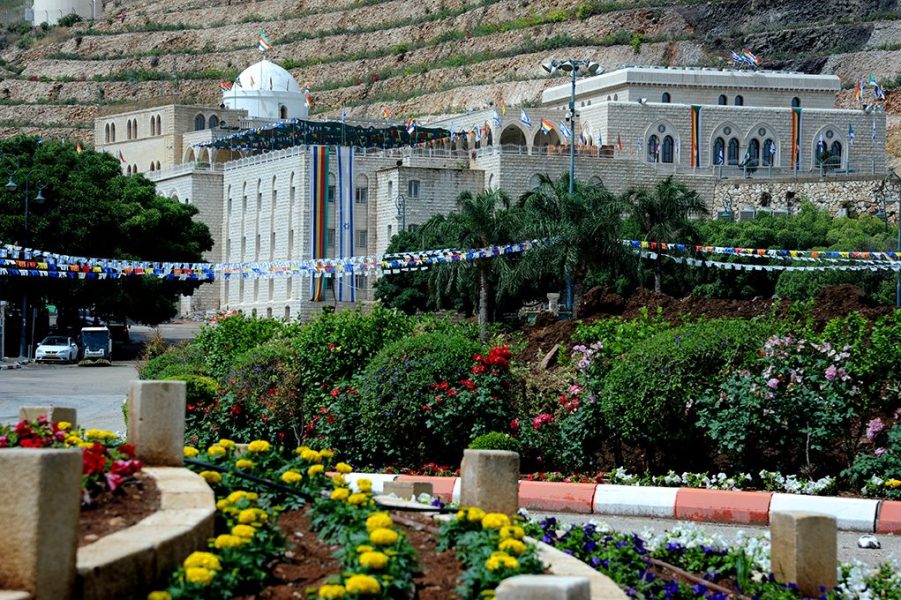

The strong familial and religious ties help explain why hundreds of Druze-Israeli men in mid-July streamed, at great peril, across the border toward the Druze village of Suwayda, Syria, in an effort to protect relatives and friends from being massacred by Bedouin fighters allied with that country’s new regime. Both for moral reasons and in affiliation with Druze Israelis, IDF fighter planes attacked government targets to warn authorities in Damascus to halt the massacre.
The Amers said that several of their relatives in Suwayda survived, although their homes were burned by the marauders.
* * *
At a traffic circle approaching the mountaintop village of Hurfeish (pop. 7,000), large posters hang from a stone wall in memory of Jawad Amer and other fallen Druze soldiers in this war, another of whom also hailed from there.

“The Druze community is part and parcel of the State of Israel in defending the residents of the land. We’re fighting for our homes. The Druze see ourselves as Israeli in every way. Our Israeliness is very important to us. We’ll continue defending our home and fighting,” Lufti Eldeen, the director of the branch in Daliyat Al-Karmel of Yad Lebanim, a national organization memorializing soldiers, said in a phone conversation.
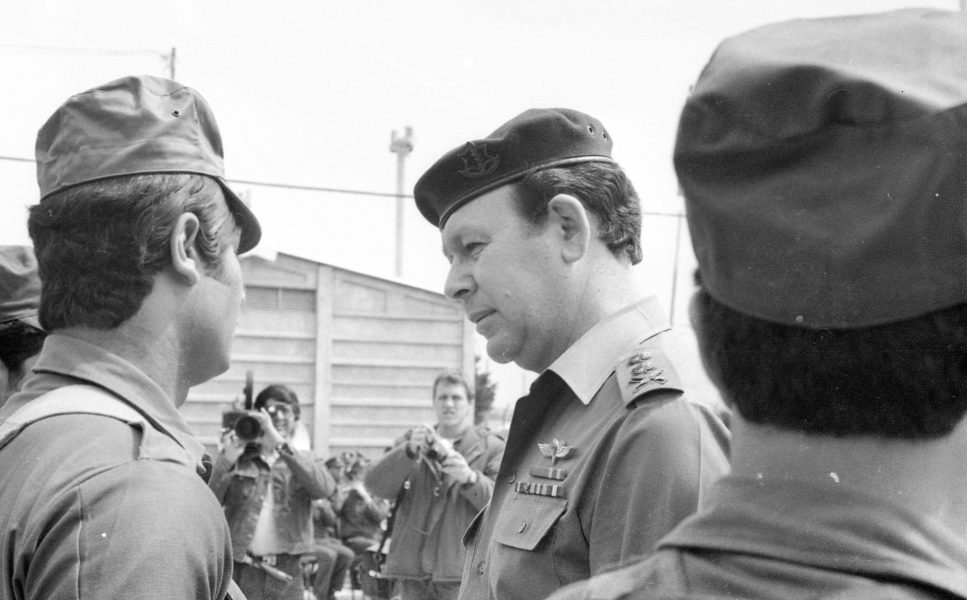
The 451 Druze fatalities include top-ranking soldiers, men who were “the salt of the earth,” said Eldeen, whose brother and nephew were killed in combat in previous wars. And, “[beginning] on October 7, they went to defend the country. We’re proud of this.”
The Amer family is immensely proud of Jawad. Prominent in the home’s living room is a three-section display case made of glass. Jawad’s three IDF certificates of merit stand there in frames. Other items include a peach-colored speaker he’d bring along to the army; more than 10 of his cologne bottles (some still unused); Statue of Liberty and New York license plate souvenirs from a 2022 trip to the United States that also included Key West, Florida; photographs galore of the smiling young man going back to kindergarten; and several personalized memorial candles presented after his death. One display case is devoted to Jawad’s army gear, including the communications system, helmet and boots he wore when he was killed.
Akram removed the helmet and matter-of-factly tilted it to reveal the hole through which passed the bullet that killed his son. A transparent case on a nearby coffee table displays Jawad’s rifle, disabled before it was given to the family.
On this late-July evening, Akram and Nabih spoke of Jawad’s passion for CrossFit training since age 15. Approaching his discharge date, he’d narrowed his career choice to physical-fitness trainer or engineer, but he hadn’t decided. Jawad enjoyed going to the beach at Betzet, near Nahariya. When he and his sister Nawal got bored, they’d bake cakes together. Jawad liked to travel. He doted on his paternal grandfather, Jad, who was infirm and lived next door. Jawad bought his groceries, shaved Jad, helped him shower, sat with him to talk. “Jawad” in Arabic means “generous,” the men said.
When Jawad was killed, Jad’s condition deteriorated. He died the following summer.
“The one closest to Grandpa was Jawad,” Nabih said.
Because of Jawad’s fine care, Akram said, his — Akram’s — brother treated him to that final trip and accompanied him.
When army mates stopped by to comfort the family, the Amers learned how attentive Jawad was to special-needs soldiers in desk jobs. They heard how, on the last full day of his life, he prepared sandwiches at the base and brought them to reservists along the northern border.
“It came from his love for them,” Nabih said. “Soldiers said that Jawad said, ‘We have to defend the state. It’s hard, but we’ll succeed.’”
He added: “He was that kind of person.”
The next day, Jawad answered a phone call from his parents. “He said the area was quiet and under control,” Akram remembered.
That was 2:30 p.m. Less than an hour later, Jawad and his men learned that Hezbollah terrorists might have infiltrated into Israel. They drove along the border. That’s where Jawad and another soldier in his vehicle were killed. Another IDF soldier was killed in the battle — the war’s first three IDF fatalities on the northern front.
The battle, Nabih said, prevented terrorists from murdering and kidnapping residents of Kibbutz Adamit. On the terrorists’ bodies were found rocket-propelled grenades, ropes, abundant food, even cigarettes, Nabih said, an indication that a catastrophe like that which occurred in the Gaza border region two days earlier was averted.
“It was an act of bravery,” Nabih said of the soldiers’ actions. “They sacrificed themselves for all of us.”
Writer-editor Hillel Kuttler can be reached at [email protected].