

“The fate of Israel depends on two things,” David Ben-Gurion said, “its strength and its righteousness.” At times, it also depended on making a courageous decision at precisely the right moment. Using the National Library’s Historical Jewish Press Collection, we traced four bold and fateful decisions Ben-Gurion made on behalf of all Israelis.
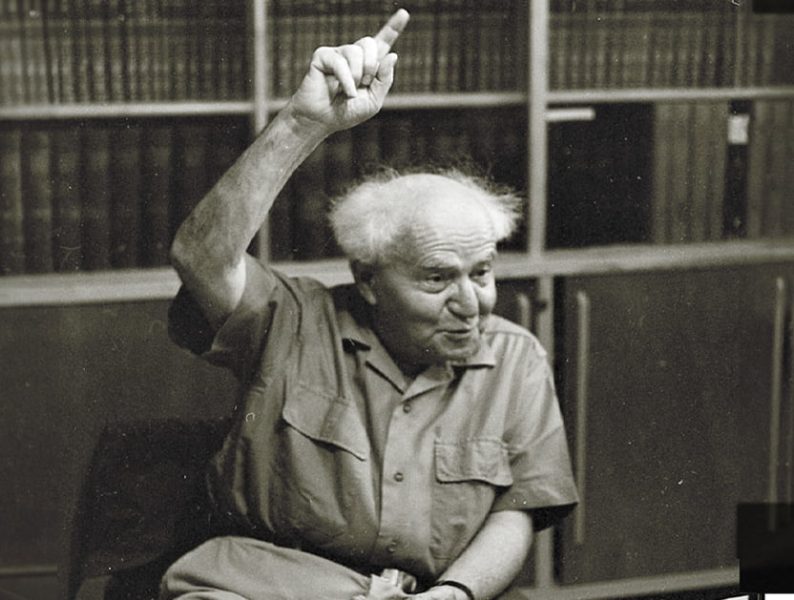

The Diplomat: Five Stations in the Life of Abba Eban
He was the greatest diplomat the State of Israel ever produced, and perhaps the greatest in Jewish history. He became the articulate and devoted voice of big ideas, some of which he did not always accept privately, yet he believed wholeheartedly in the clear and undeniable right of the Jews to political independence in their historic homeland. This is the story of a man born at the southern tip of Africa, raised and educated in Britain between the two world wars, who became the official spokesman of the young State of Israel at its most critical moments.
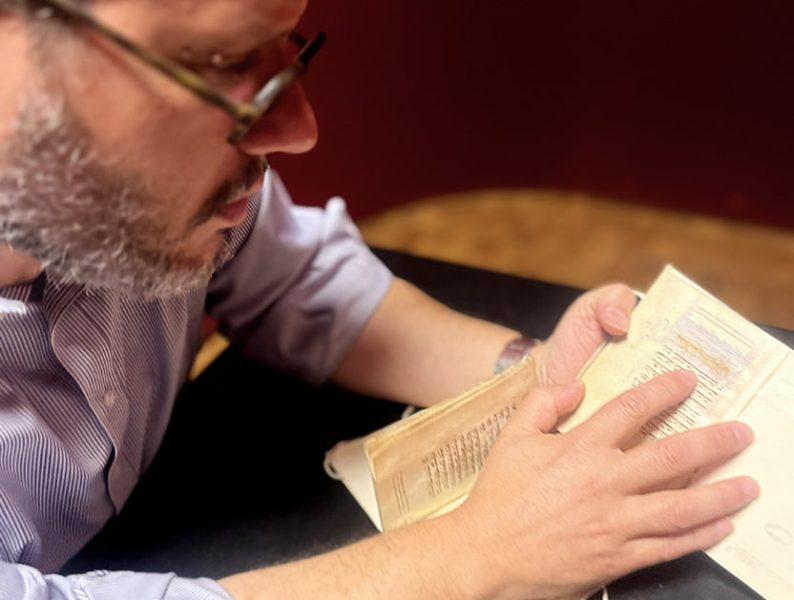
From Portugal, to Aleppo, to Jerusalem: The Remarkable Journey of the Lisbon Mahzor
Created on the eve of a community’s destruction, the Lisbon Mahzor survived the horrors of persecution and expulsion, and then wandered the world as one of the few surviving treasures of a rare religious and artistic tradition. At some point along the war, its three volumes were separated. Only recently, thanks to the efforts of the National Library of Israel, have all three been reunited in Jerusalem, and now they have even been joyfully rejoined in digital form.
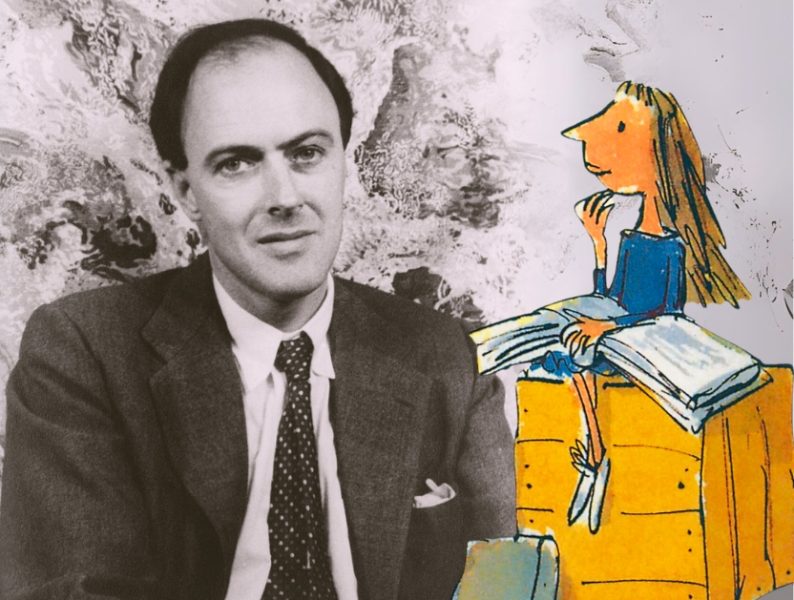
The Questionable (and Immortal) Values in the Books of Roald Dahl
He saw the world as a dark and terrible place. He thought Hitler wasn’t entirely wrong. His books brim with gruesome imagery, and with scorn for women, overweight people and different races. And yet, decades after they were written, they remain bestsellers, fueling blockbuster Broadway productions and prompting Netflix to pay hundreds of millions for the rights. Who was Roald Dahl, and what is the secret of his stories’ enduring appeal?

The Secret Chord: Leonard Cohen Composes “Hallelujah”
He only began writing songs seriously at the age of 30, and started singing a few years later. A proud Jew who spent time living in a Buddhist monastery in California, he used poetry and music to express both the holiest and the darkest parts of the human soul. His most famous song, whose story we tell here, is likely one you know, even if you’ve never heard Leonard Cohen sing it in his own voice.

Yotam Haim’s “Wings of Spirit”
Without knowing how to read music, a heartbroken high school student composed a melody to words by Rabbi Kook that gave her strength. When the song spread its wings and began circulating widely, she could hardly believe how many others found in it the same strength and comfort it had offered her. This is the story of how that song, composed in the 1990s, made its way onto an album commemorating the late Yotam Haim, who was abducted by Hamas into Gaza.

Yesterday’s News: The Story of the Historical Jewish Press Archive
Professor Yaron Tsur—one of the founders of the NLI’s Historical Jewish Press website—has been awarded the Israel Prize. The honor recognizes, among other achievements, his role in helping create one of the National Library’s most significant initiatives. This is the story behind the Historical Jewish Press – a project that allows anyone, anywhere to explore nearly every Jewish newspaper published over the last 250 years—and embark on a captivating journey through Jewish history.

Lover, Liar, Librarian: The Two Lives of Casanova
Giacomo Girolamo Casanova’s name has become a symbol—even a dictionary entry. But was there more to the life and memoirs of the famed Italian lover than just romantic escapades and skirt-chasing? His writings reveal a gifted storyteller who lived without inhibition, but also insights that are dubious, disturbing, and endlessly fascinating. So who was Casanova?

Where Did Friedrich Gernsheim Disappear To?
He was a musical prodigy, a gifted composer whose works were performed in Europe’s most prestigious concert halls. He was also a Jew, and his compositions were banned by the Nazi regime, which sought to erase his legacy. For nearly a century, he remained in the shadows of history. Now, thanks to his archive at the National Library, things are about to change—This is the story of Friedrich Gernsheim.

A New Plea: When Women Wrote Prayers About and for Women
Finding religious Jewish books written by women is not easy. It’s even harder to find halachic discussions in Jewish legal literature where the woman’s perspective is decisive, determining halacha for future generations. Nevertheless, there are dozens of books of “Techinot” – entreaties or pleas – written by and for women. Who were the women who wrote such books, and how common were they? Who was the woman who determined the accepted form of prayer—and what did she pray for? Let us hear their voices.