

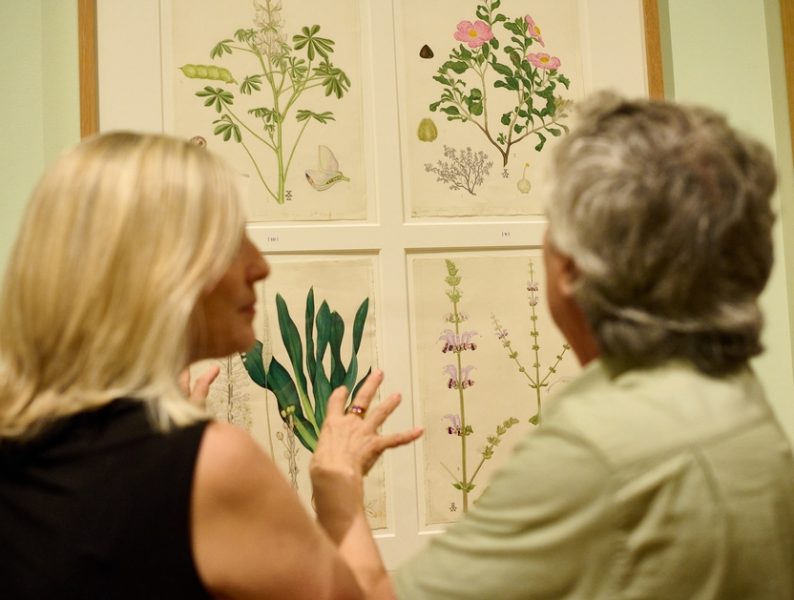
The posters of the historic “Don’t Pick Wild Flowers!” campaign were part of the childhood landscape of countless Israelis in the 1960s and changed the country’s relationship with nature itself. Yet the original illustrations, painted by Mary Grierson and Heather Wood, disappeared and were long forgotten, until they were found quite by accident.
The Song of the Sticker: Hope and Loss in Israeli Commemorative Culture
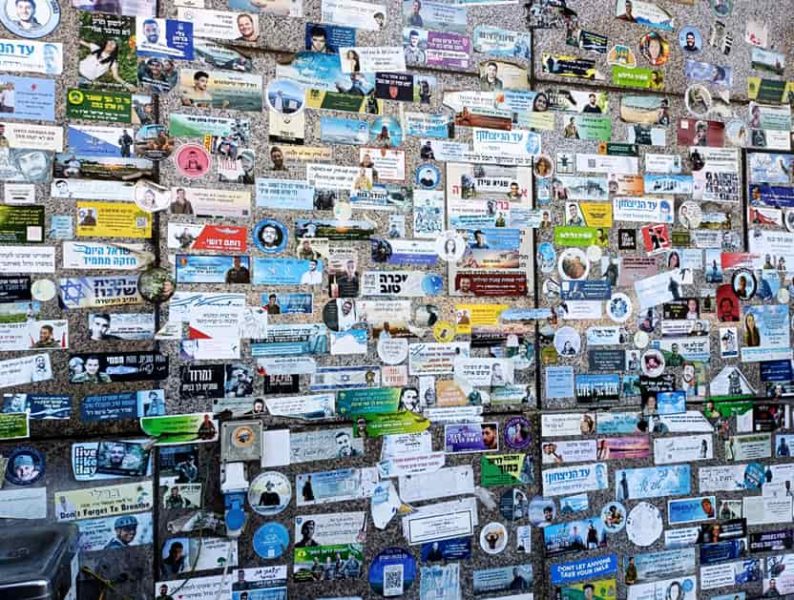
They cover the walls of train stations, the sides of bus stops, and the poles of street lamps. Smiling faces, a familiar phrase, and sometimes a QR code leading to a memorial website. The National Library is creating an archive that will collect and preserve the stickers commemorating the victims of the Nova festival and those who have fallen in the war. Why is it important to preserve these memorial stickers, how should it be done, and what meaning does this kind of documentation hold for bereaved families?
A Journey to Paradise Lost: Why We Can’t Live Without Flowers
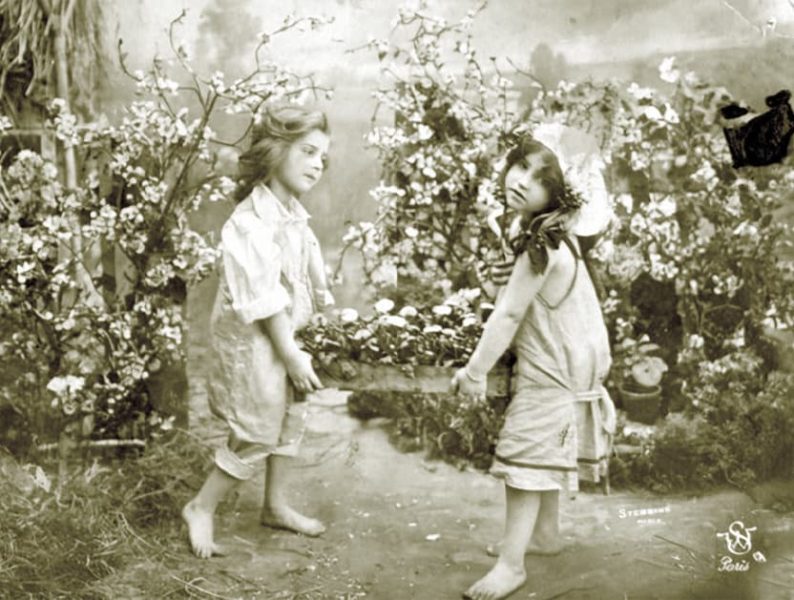
Since the banishment from the Garden of Eden, humanity has longed to return, to a form of nature wild enough to move us as human beings, yet tame enough not to threaten us. To a place that soothes the soul and nourishes the body. The garden is a motif that runs like a thread through countless human cultures. Why are we all yearning for Paradise?

The Passover Seder as Live Action Role Playing
Is it any surprise that the Passover Seder is essentially the world’s oldest Jewish role-playing game, predating “Dungeons & Dragons” by millennia? How did the Sages of yore get us to joyfully participate in Jewish rituals, and what does all this have to do with mutual scallion whippings?

Seven Torah Scrolls in the Mosque Wall
Forced conversions of Jews are often associated with the Middle Ages, yet the case of the “Anusim” (forced converts) of Mashhad in northern Iran occured in the 19th century. Some of them even made their way later to the Land of Israel. This is a story of secret identities put to the test and a community that defied the odds to survive.

The Jewish Mother Who Defeated Emperor Charles V
A Jewish mother will do everything for her children, but in this case – “everything” included taking on the Holy Roman Emperor himself and building a web of intrigue that spanned continents and several royal and noble houses. This is the story of Gracia Mendes Nasi, otherwise known as Dona Gracia.

Kafka’s Secrets: The Missing Page of “The Castle”
A page torn from the manuscript of Franz Kafka’s “The Castle” has been revealed for the first time. What is written on that missing page? Who tore it out? Why would anyone want to keep it hidden?

Ghosts, Evil Spirits and Kabbalistic Teachings: A Very Ashkenazi Christmas
“Nittel Nacht” is an Ashkenazi Jewish term for Christmas Eve. Although it is certainly not a Jewish holiday, it has, in very particular Jewish communities, become a night marked by strange and even provocative customs. Where did these Nittel Nacht traditions come from, and how are they connected to historical attempts to protect oneself from the forces of darkness?

Another Trial: A Kafkaesque Love Triangle
Despite his romantic and tortured image, Franz Kafka’s attitude towards women had its darker aspects. Who would have guessed that the tangled romantic triangle between Kafka, his fiancée Felice Bauer and her good friend Grete Bloch would produce one of the greatest literary classics of all time?

My White Dress: Why Do Jews Wear White on Holidays?
During the holiday season, most of us will likely arrive at synagogue or at the family meal dressed in white, praying that no red wine or beet juice gets sprayed on our dresses and shirts. In fact, some Jewish men will be showing up at synagogue wearing a striking white robe – an introduction to the “kittel”.